When applying for a loan, one of the most important terms you may come across is collateral management. Many borrowers understand that banks ask for security before approving certain loans, but they often do not know how that security is managed throughout the loan period.
Whether you are planning to apply for a business loan, home loan, or loan against property, understanding collateral management can help you make informed financial decisions. It not only protects the lender but also creates confidence between both parties, making the loan process smoother and more transparent.
In this guide, you will learn what collateral management is, why it is important, how it works, its benefits, practical examples, and the different types of assets that can be used as collateral.

What Is Collateral Management?
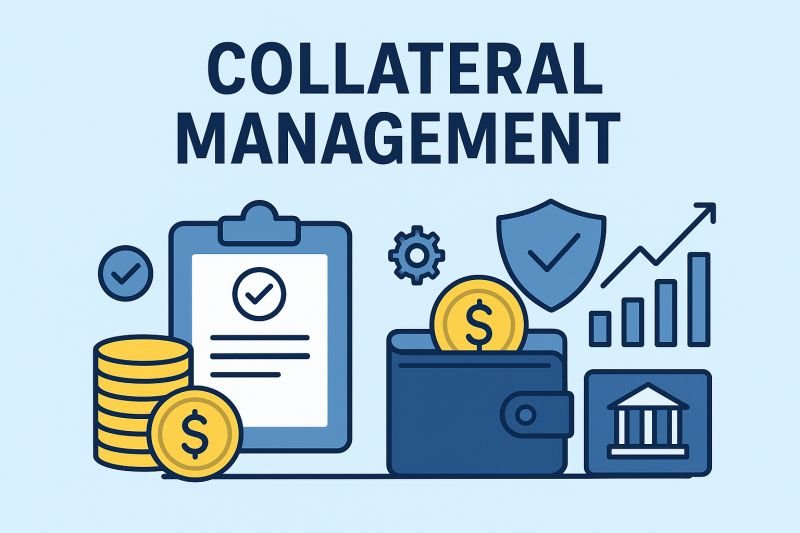
Collateral management is the process of evaluating, verifying, monitoring, and managing the assets pledged as security for a loan.
In simple words, when a borrower takes a secured loan, they provide an asset such as property, land, machinery, or fixed deposits as collateral. The lender manages this asset throughout the loan tenure to ensure that its value remains sufficient to cover the outstanding loan amount.
If the borrower repays the loan according to the agreed terms, the collateral remains safe and is released after the loan is fully repaid. However, if the borrower fails to repay the loan, the lender may have the legal right to recover the outstanding amount through the pledged asset, subject to applicable laws and the loan agreement.
Therefore, collateral management is not just about keeping documents safe. It is a complete system that helps reduce financial risk for lenders while enabling borrowers to access larger loan amounts and competitive interest rates.
Why Is Collateral Management Important?
Collateral management plays a vital role in secured lending because it benefits both lenders and borrowers.
For lenders, it reduces the risk of loan defaults. Since an asset backs the loan, the lender has additional financial security.
For borrowers, collateral often leads to better loan terms. Many banks and financial institutions offer higher loan amounts and lower interest rates when sufficient collateral is available.
Some key reasons why collateral management is important include:
- Reduces lending risk
- Improves loan approval chances
- Enables higher loan eligibility
- Supports lower interest rates
- Ensures proper documentation
- Helps maintain transparency during the loan period
- Protects the interests of both parties
How Does Collateral Management Work?
The collateral management process follows several important steps.
1. Asset Evaluation
The lender first evaluates the asset being offered as collateral. This includes checking its ownership, market value, legal status, and condition.
For example, if you pledge a residential property, the bank verifies property ownership, legal documents, and current market value.
2. Risk Assessment
The lender assesses whether the asset provides sufficient security for the requested loan amount.
Different assets carry different levels of risk. Therefore, the loan amount approved usually depends on the value and quality of the collateral.
3. Documentation
Once the asset is approved, all necessary legal documents are prepared and verified.
These documents may include:
- Ownership proof
- Identity documents
- Property papers
- Valuation reports
- Loan agreements
- Mortgage documentation
4. Continuous Monitoring
Collateral management does not end after loan approval.
Throughout the loan tenure, lenders may monitor the collateral to ensure that its value remains adequate and that there are no legal disputes affecting the asset.
5. Release of Collateral
Once the borrower repays the entire loan, the lender releases the collateral and returns all original documents according to the agreed process.
Types of Assets Used as Collateral
Different lenders accept different forms of collateral depending on the loan product.
Some commonly accepted assets include:
Real Estate
Residential property, commercial property, land, and plots are among the most commonly accepted collateral.
Fixed Deposits
Many banks allow customers to obtain loans against fixed deposits.
Gold
Gold jewellery and gold coins may be accepted for secured lending.
Business Assets
Businesses can pledge machinery, equipment, inventory, or receivables.
Investments
Some financial institutions accept government securities, bonds, mutual funds, or other eligible investments.
Practical Examples of Collateral Management
Understanding collateral management becomes much easier with real-life examples.
Example 1: Loan Against Property
A business owner needs ₹50 lakh to expand operations.
Instead of taking an unsecured loan, the owner pledges a commercial property valued at ₹90 lakh.
The lender verifies the property, completes the legal checks, approves the loan, and monitors the collateral during the loan period.
After the borrower repays the loan, the property documents are released.
Example 2: Business Loan
A manufacturing company requires funds to purchase new machinery.
The company pledges its existing industrial equipment as collateral.
Since the loan is secured, the lender offers a lower interest rate compared to an unsecured business loan.
Example 3: Loan Against Fixed Deposit
A customer has a fixed deposit worth ₹10 lakh.
Instead of breaking the deposit, the customer takes a loan against it.
The bank marks the fixed deposit as collateral while allowing it to continue earning interest according to applicable terms.
Benefits of Collateral Management
Collateral management offers several advantages for borrowers and lenders alike.
Benefits for Borrowers
- Higher chances of loan approval
- Lower interest rates
- Larger loan amounts
- Flexible repayment options in many cases
- Faster processing when documentation is complete
- Better financial credibility
Benefits for Lenders
- Reduced credit risk
- Better recovery options in case of default
- Improved loan portfolio quality
- Increased confidence in lending decisions
- Better regulatory compliance through proper documentation
Common Challenges in Collateral Management
Although collateral management provides many benefits, there are certain challenges that borrowers should understand.
Some common challenges include:
- Incorrect valuation of assets
- Missing or incomplete documentation
- Legal disputes over ownership
- Decline in asset value
- Delays in verification
- Regulatory compliance requirements
Working with experienced professionals can help avoid these issues and ensure a smoother borrowing experience.

Tips Before Offering Collateral
Before pledging any asset for a loan, consider the following practical tips:
- Verify ownership documents carefully.
- Ensure the property has a clear legal title.
- Keep all financial records updated.
- Understand the loan agreement completely.
- Compare offers from multiple lenders.
- Ask about valuation methods.
- Confirm document release procedures after loan repayment.
- Read all terms and conditions before signing.
These steps can help you avoid unnecessary complications later.
Who Should Consider a Secured Loan?
A secured loan backed by collateral may be suitable for:
- Business owners seeking expansion capital
- Home buyers purchasing residential property
- Individuals requiring higher loan amounts
- Property owners looking for loans against property
- Companies purchasing equipment or machinery
Choosing the right loan depends on your financial goals, repayment capacity, and the value of the collateral you can provide.
How We Help
At our collateral management company, we assist individuals and businesses throughout the secured loan process.
Our services include:
- Understanding your financing requirements
- Reviewing eligible collateral
- Assisting with documentation
- Coordinating with lending institutions
- Supporting you through the loan application process
- Helping simplify complex procedures
Our goal is to make the borrowing experience straightforward, transparent, and efficient while helping you explore suitable financing options.
Frequently Asked Questions
Is collateral management only for large businesses?
No. Individuals can also benefit from collateral management when applying for home loans, loans against property, or other secured loans.
Can I use residential property as collateral?
Yes. Residential property is commonly accepted for many secured loan products, subject to the lender’s policies and eligibility criteria.
Does collateral management guarantee loan approval?
No. Lenders also evaluate your income, repayment capacity, credit history, and other eligibility criteria before approving a loan.
Can collateral lose its value?
Yes. Market conditions may affect the value of certain assets. Therefore, lenders may periodically review collateral during the loan tenure.
What happens after the loan is repaid?
Once all loan obligations are fulfilled, the lender releases the collateral and returns the relevant documents according to the loan agreement.
Frequently Asked Questions
Is collateral management only for large businesses?
No. Individuals can also benefit from collateral management when applying for home loans, loans against property, or other secured loans.
Can I use residential property as collateral?
Yes. Residential property is commonly accepted for many secured loan products, subject to the lender’s policies and eligibility criteria.
Does collateral management guarantee loan approval?
No. Lenders also evaluate your income, repayment capacity, credit history, and other eligibility criteria before approving a loan.
Can collateral lose its value?
Yes. Market conditions may affect the value of certain assets. Therefore, lenders may periodically review collateral during the loan tenure.
What happens after the loan is repaid?
Once all loan obligations are fulfilled, the lender releases the collateral and returns the relevant documents according to the loan agreement.
Conclusion
Understanding what is collateral management is essential for anyone planning to apply for a secured loan. It is a structured process that ensures pledged assets are properly evaluated, documented, monitored, and protected throughout the loan lifecycle.
Whether you are seeking a business loan, home loan, or loan against property, effective collateral management helps build trust between borrowers and lenders while improving access to financing. By maintaining proper documentation, choosing suitable collateral, and working with experienced professionals, you can make the borrowing process more efficient and secure.
If you are considering a secured loan and need guidance on collateral, our team is here to help you navigate the process with clarity and confidence.